Avoid These Common Mistakes When Using Turkey In Disguise Printable - GameDay Database Information Guide
Background on Avoid These Common Mistakes When Using Turkey In Disguise Printable - GameDay Database
As schools, offices, and public venues rely on automated systems to detect whether people are wearing masks, developers often stumble over the same avoidable errors. Mislabelled images, biased datasets, and over‑fitting models can turn a promising safety tool into a source of false alarms. Below is a practical rundown of the most frequent slip‑ups and how everyday users can sidestep them. Machine‑learning classifiers that flag mask compliance help enforce health policies without constant human supervision. When they work correctly, they reduce manual checks, speed up entry queues, and provide data for occupancy planning. The stakes are high: a missed detection may expose others to risk, while a false positive can frustrate compliant visitors. Opting for a heavyweight network (e.g., ResNet‑152) on a modest edge device drains battery and introduces latency. Conversely, a shallow model may lack the nuance to differentiate a mask from a scarf, leading to a spike in false negatives. Training on perfectly lit studio shots ignores shadows, motion blur, and diverse headwear. When the system meets a bustling hallway, performance often collapses. Unbalanced class distribution. A dataset with 90 % masked faces teaches the model to always predict “mask” and still score high accuracy.
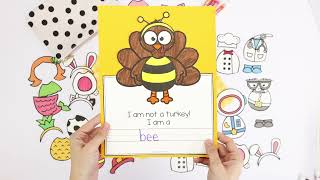
Writing: How to Disguise a Turkey (Brainstorm and Plan) It's Monday morning and you need a Thanksgiving bulletin board idea immediately. You teach second, third, or fourth grade and ...
Core Information
Latest News







Deep Dive
Data is compiled from public records and verified media reports.
Last Updated: August 24, 2026
Future Outlook
Disclaimer: Disclaimer: All {Player Profile|Athlete Statistics|Sports Record|Performance Profile|Match Statistics|Sports Database} information, player statistics, rankings, and performance data are compiled from publicly available sports databases, official league records, and trusted third-party sources.
