Avoid These Critical Errors In Your Vfr Flight Nav Log Entries - GameDay Database Information Guide
Introduction to Avoid These Critical Errors In Your Vfr Flight Nav Log Entries - GameDay Database

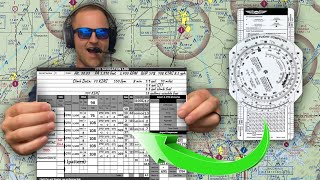
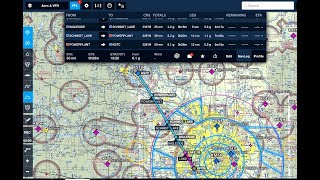
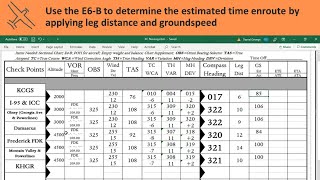
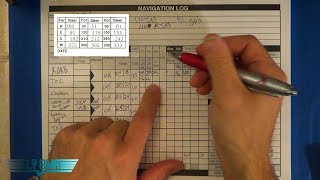
0:00 Intro 0:28 Tutorial Video Suggestion 0:51 Step 1: Find Want to learn how to make a professional looking, easy to read Even seasoned VFR pilots discover that a single slip in the navigation log can turn a routine cross‑country flight into a costly regulatory breach. Recent audits of flight schools and private operations reveal a pattern of avoidable mistakes—incorrect waypoint coordinates, missing magnetic variation entries, and inconsistent time stamps—that jeopardize both safety and compliance. The VFR navigation log is more than a paperwork exercise; it serves as the pilot’s primary reference for flight planning, situational awareness, and post‑flight debriefing. Federal Aviation Regulations require that logged data be truthful and complete, and any discrepancy can trigger investigation by the FAA, delay certifications, or invalidate insurance coverage. Transcribing a latitude or longitude with an omitted digit (e.g., “N45°12.3’” instead of “N45°12.30’”) leads pilots to miss intended airways. Copy‑and‑paste errors from electronic flight planning tools often introduce swapped latitude/longitude pairs.
Leaving the magnetic variation column blank forces pilots to rely on memory or external charts, increasing the risk of heading drift. Failing to update the variation for seasonal changes can cause a 2–3° heading error over long legs.
Core Information
History




Detailed Analysis
Data is compiled from public records and verified media reports.
Last Updated: August 24, 2026
Conclusion

Disclaimer: Disclaimer: All {Player Profile|Athlete Statistics|Sports Record|Performance Profile|Match Statistics|Sports Database} information, player statistics, rankings, and performance data are compiled from publicly available sports databases, official league records, and trusted third-party sources.
