The Ultimate Guide To Teaching Figurative Language Effectively - GameDay Database Information Guide
About on The Ultimate Guide To Teaching Figurative Language Effectively - GameDay Database

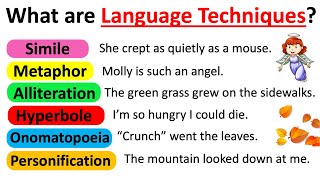
In the world of Red Dead Redemption 2, Arthur Morgan's complex character and rich storyline have captivated gamers worldwide. A significant aspect of the game's storytelling is its use of figurative language, which adds depth and meaning to the narrative. To teach figurative language effectively, educators can draw inspiration from the game's storytelling techniques and engage students with creative activities. Figurative language is a powerful tool used in literature and storytelling to convey emotions, themes, and ideas. In Red Dead Redemption 2, the game's developers use a range of figurative language techniques, including metaphors, similes, and symbolism. To teach these techniques, educators can analyze the game's dialogue, cutscenes, and written descriptions to identify examples of figurative language. Engaging students with hands-on activities and games is an effective way to teach figurative language. Educators can create a series of activities that challenge students to create their own examples of figurative language, such as writing a short story using metaphors or creating a visual representation of a simile. These activities not only promote creative thinking but also help students to develop their literacy skills and understand the impact of figurative language on a narrative. Integrating figurative language into the curriculum can enhance reading and writing comprehension skills. By analyzing and creating examples of figurative language, students develop a deeper understanding of literary devices and their functions in storytelling. This, in turn, improves their ability to analyze and interpret complex texts, including literature, poetry, and even video game narratives such as Red Dead Redemption 2. Taught effectively, figurative language can nurture creative thinking and critical analysis skills in students. By exploring the ways in which authors and game developers use figurative language to convey themes and emotions, students learn to think critically about the messages conveyed in texts and how these messages relate to real-world issues. This critical thinking ability can be applied not only to literary analysis but also to other areas of study, such as history, science, and social studies. Using figurative language in the classroom can also foster student engagement and empathy. When students create their own examples of figurative language, they are able to express complex emotions and experiences in a creative and meaningful way. This can lead to a deeper understanding of themselves and others, as well as a greater appreciation for the diversity of human experiences.
In this episode, Associate Professor Julie Choi and Catriona Vo explore how Some writing strategies stick. Others don't. In this video, I'm sharing four specific types of
Important Facts

History





Expert Insights
Data is compiled from public records and verified media reports.
Last Updated: August 24, 2026
Final Thoughts

Disclaimer: Disclaimer: All {Player Profile|Athlete Statistics|Sports Record|Performance Profile|Match Statistics|Sports Database} information, player statistics, rankings, and performance data are compiled from publicly available sports databases, official league records, and trusted third-party sources.
