Streamline Your Pre Flight Routine With Efficient Nav Log Tools - GameDay Database Information Guide
Background of Streamline Your Pre Flight Routine With Efficient Nav Log Tools - GameDay Database

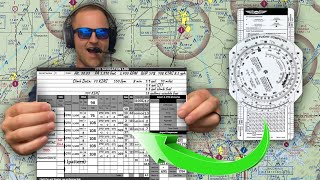
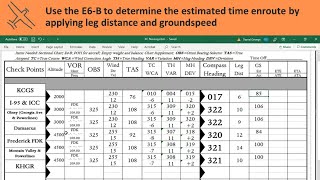
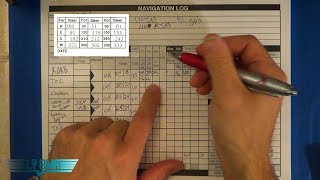
Effective nav log tools embed safety checks that would otherwise be left to memory or a checklist: Fuel reserve validation – the program flags any leg where projected fuel falls below the required 45‑minute reserve. In this video, I take you step-by-step through creating a VFR Learn how to fly a VFR cross country with and old fashioned, traditional, VFR Modern pilots know that every minute saved before takeoff translates to safer, more predictable flights. By swapping bulky paper logs for streamlined digital navigation (nav) log tools, general‑aviation crews can cut prep time, reduce transcription errors, and keep flight plans in sync with real‑time data—all without sacrificing the thoroughness required by FAA regulations. Paper flight logs demand manual calculations for fuel burn, wind correction, and leg distances. A single mis‑entry can cascade into a fuel shortage or an off‑course deviation. Digital nav log software automatically pulls data from electronic flight bags (EFBs), GPS, and weather services, ensuring that the numbers you see are the numbers you will fly. The result is a clearer picture of the route before you even push the throttle.
Most applications let you import a flight plan directly from the FAA’s flight planning portal or a third‑party dispatch service. Once loaded, the software populates each leg with: With a single tap, you generate a printable summary for the aircraft’s logbook, and the same data stays editable for last‑minute changes. No more scribbling margins or re‑typing figures.
Main Features
Developments







Deep Dive
Data is compiled from public records and verified media reports.
Last Updated: August 24, 2026
Conclusion

Disclaimer: Disclaimer: All {Player Profile|Athlete Statistics|Sports Record|Performance Profile|Match Statistics|Sports Database} information, player statistics, rankings, and performance data are compiled from publicly available sports databases, official league records, and trusted third-party sources.
