Concacaf Nations League With Canada - GameDay Database Information Guide
About to Concacaf Nations League With Canada - GameDay Database

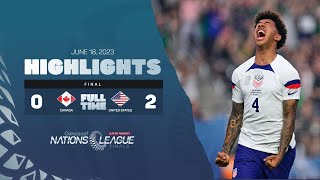
The Nations League was introduced to replace friendlies with meaningful fixtures, grouping teams into three tiers based on performance. For Canada, the competition offers three clear benefits: a pathway to higher‑ranking matches, a guaranteed schedule that aids player development, and a platform to attract commercial interest. The league’s structure also forces Canada to confront the realities of its regional rivals, from the United States’ depth to the rising standards of Caribbean nations. Should Canada clinch the top spot in its League B group, the immediate reward would be elevation to League A for the next cycle. That promotion brings two practical outcomes. First, Canada would face stronger opponents like Mexico and the United States in a home‑and‑away format, sharpening tactical awareness ahead of World Cup qualifiers. Second, increased viewership translates into higher broadcast fees and sponsorship opportunities, which can be redirected toward youth academies and coaching education. If Canada stays in League B, the schedule still offers consistent competition, but the quality of opposition may limit exposure to elite play. While matches against teams such as Honduras or El Salvador are valuable for testing specific systems, they do not replicate the pressure of facing top‑tier nations. Consequently, the national programme must supplement league fixtures with carefully selected friendlies to bridge the experience gap. Revenue Streams: League participation guarantees a baseline of CONCACAF distribution, but the bulk of earnings hinges on advancing to higher tiers. Investment Returns: Funding allocated to the senior squad should be balanced with grassroots initiatives; over‑investing in short‑term results can jeopardize long‑term talent pipelines. As the CONCACAF Nations League with Canada settles into its regular rhythm, the Canadian men's team is navigating a tournament that promises promotion, revenue, and more competitive matches—while also exposing gaps that could affect long‑term growth.
Main Features

Latest News





Detailed Analysis
Data is compiled from public records and verified media reports.
Last Updated: August 24, 2026
Final Thoughts
Disclaimer: Disclaimer: All {Player Profile|Athlete Statistics|Sports Record|Performance Profile|Match Statistics|Sports Database} information, player statistics, rankings, and performance data are compiled from publicly available sports databases, official league records, and trusted third-party sources.
