Conflict Resolution - GameDay Database Information Guide
Background to Conflict Resolution - GameDay Database
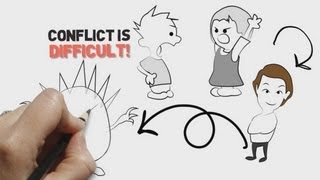
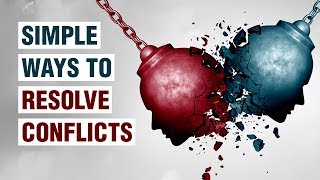
Many common mistakes stem from an over-reliance on verbal debate alone. People often enter conversations with fixed positions, leading to defensive postures where listening takes a backseat to preparing a rebuttal. Another misstep is assuming everyone has the same communication style, which can leave quieter team members feeling unheard and allowing dominant voices to steer the outcome away from a true consensus. This environment rarely fosters the creative thinking needed to find mutually beneficial solutions. Interactive people puzzles reframe conflict not as a battle to be won, but as a collective challenge to be solved. These activities use structured, often physical, tasks to externalize the conflict, allowing participants to focus on a shared goal rather than personal grievances. By working on a "puzzle" together—whether it's a communication-based game or a collaborative build—teams practice core resolution skills in a low-stakes, focused setting. This method helps uncover underlying issues like communication. Consider a scenario where two departments consistently clash over project handoffs. Instead of another heated meeting, they might tackle a "Marshmallow Challenge" variant. The task is to build the tallest freestanding structure with limited materials. Hidden within the challenge is a key constraint that requires information from both "teams" to succeed. As they navigate the puzzle, they naturally shift from blaming the other side for failed handoffs to actively sharing information, prototyping solutions, and. Even with puzzles, facilitators must avoid a few key errors. One mistake is debriefing too superficially. The real learning happens in the guided discussion *after* the activity, connecting the puzzle experience to real-world work conflicts. Another pitfall is choosing a puzzle that doesn't mirror the actual team dynamic, which can feel disconnected. A smarter alternative is to select or design an activity that directly mirrors the core tension, such as a "blind drawing" exercise for teams struggling with unclear. Incorporating interactive people puzzles activities does more than resolve a single dispute. It systematically builds a shared language around collaboration, empathy, and creative problem-solving. Over time, teams that regularly engage in these structured experiences develop a higher tolerance for disagreement and a stronger instinct to seek innovative, joint solutions. The puzzles serve as a safe training ground, equipping members with the practical tools to transform future conflicts from roadblocks into. All-Access (everything RocketKids and more) WebSite
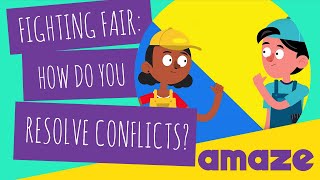
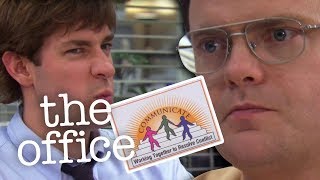
People don't always get along or agree with one another. They may disagree with one another or have a Dwight: This is humongous. I am not a security threat... Jim: Oh. Dwight: And my middle name is 'Kurt', not 'Fart'. Jim: What did I ... When disagreements arise in the workplace or community groups, the first instinct is often to talk it out. However, traditional discussions can sometimes circle back to the same points without progress. A growing number of facilitators and team leaders are now using interactive people puzzles activities to transform conflict resolution, turning tense moments into engaging, collaborative problem-solving experiences that build lasting skills.
Key Details

Developments



Deep Dive
Data is compiled from public records and verified media reports.
Last Updated: August 24, 2026
Future Outlook
Disclaimer: Disclaimer: All {Player Profile|Athlete Statistics|Sports Record|Performance Profile|Match Statistics|Sports Database} information, player statistics, rankings, and performance data are compiled from publicly available sports databases, official league records, and trusted third-party sources.
